
BEng (Hons) Aerospace Engineering
2 Yrs KCIC → ✈️ 2 Yrs Abroad → Work Experience
Duration of the Course
Study in India
2 Yrs
Study Abroad
2 Yrs
Program Overview
Offered in collaboration with RMIT University, Melbourne, this program delivers a structured international transfer pathway towards a globally recognised Bachelor of Engineering (Aerospace Engineering) (Honours).
The first two years are completed at KCIC in Chennai, covering theoretical foundations in aerodynamics, propulsion, structures, and engineering mathematics — aligned directly to RMIT's curriculum. Students then transfer to Melbourne for Years 3 and 4, where hands-on laboratory work, wind tunnel testing, design-build challenges, and a final-year industry research project take place using RMIT's specialist aerospace facilities.
Ranked #5 in Australia for Mechanical, Aeronautical and Manufacturing Engineering (QS 2026), RMIT's degree prepares graduates to design aircraft, develop propulsion systems, and engineer spacecraft — with pathways into Boeing, Airbus, BAE Systems, and defence organisations globally.
The degree is fully accredited by Engineers Australia, a Washington Accord founding signatory since 1989, and recognised in India through the NBA — ensuring full professional mobility across all signatory nations.
Further studies / Careers
After completing Year 1 – Pearson BTEC Higher National Certificate (HNC), UK Level 4 – or Year 2 – Pearson BTEC Higher National Diploma (HND), UK Level 5, eligible students can progress with advanced standing into the later years of a relevant bachelor’s degree, depending on the approved progression arrangement, completed credits and university requirements. In Australia, KCIC students have a dedicated progression pathway to RMIT University, Melbourne, for the Bachelor of Engineering (Aerospace Engineering) (Honours). Students complete Years 1 and 2 at KCIC before transferring to RMIT University for Years 3 and 4, where they undertake advanced aerospace engineering study, laboratory work and a final-year industry research project. The degree is accredited by Engineers Australia and recognised in India through the NBA under the Washington Accord. After completing the bachelor’s degree, students can progress to the Master of Engineering (Aerospace) at RMIT University, with eligible graduates receiving advanced standing. High-performing graduates may also be eligible to apply directly for a PhD in Aerospace Engineering and Aviation, subject to the university’s requirements.
Entry Criteria
Grade 12: Must have 70% in Maths and Physics (or) A levels (or) IB Min 70th Percentile. English Language Requirement: 70% in English subject (or) IELTS 6.5 (Each band not less than 6.0)
Study Journey from KCIC to Study Abroad
You'll build strong aerospace engineering foundations alongside industry-relevant technical skills. The program develops core capabilities in engineering mathematics, mechanics and materials, applied thermodynamics, fluid mechanics, and introduction to aircraft — building CAD fluency, aerodynamics awareness, and structured problem-solving using tools including MATLAB and SolidWorks — preparing you for modern, technology-driven aerospace engineering environments.
Progress into advanced, aerospace-specific study. The programme deepens technical expertise in principles of aerodynamics, flight mechanics, systems engineering, dynamics, aerospace materials, and design for manufacture — applying engineering principles to complex aerospace problems and building the critical evaluation, decision-making, and design skills needed to transfer to RMIT Melbourne for Year 3, where wind tunnels, aerospace labs, and industrial application take centre stage.
You transfer to RMIT Melbourne together as a cohort, ensuring a supported transition with familiar peers and consistent academic progression. Year 3 shifts your learning from theory to application at RMIT's Bundoora campus — with access to industrial wind tunnels, flight simulation systems, composites manufacturing, propulsion labs, and aerospace structures testing — deepening expertise through minor studies in Aircraft or Spacecraft Technologies at the stage when hands-on exposure matters most.
In your final year at RMIT Melbourne, you undertake a major two-part capstone project — analytical, experimental, or design-led — applying aerospace engineering principles to real-world challenges in aerodynamics, structures, propulsion, and spacecraft systems. Using ANSYS, MATLAB, and SolidWorks Simulation, you build the expertise expected of graduate aerospace engineers entering global industry.
Upon graduation, students receive a full international degree and are eligible for an 18–24 month post-study work visa, allowing them to stay and seek employment. This visa permits full-time work and does not require employer sponsorship.
Accreditation
The Bachelor of Engineering (Aerospace Engineering) (Honours) from RMIT is recognised in India by the National Board of Accreditation (NBA) under the Washington Accord, where India has been a permanent signatory since 2014. The degree is fully accredited by Engineers Australia — a founding Accord signatory since 1989 — giving graduates a qualification respected across 25 signatory nations including Australia, the United States, the United Kingdom, Canada, New Zealand, Singapore, Japan, Korea, Malaysia, Hong Kong, Ireland, and South Africa.
Exemptions
On completion of the Bachelor of Engineering (Aerospace Engineering) (Honours) from RMIT, graduates are eligible to apply for graduate and/or professional membership with Engineers Australia (EA) — the accrediting body for the degree. Graduates may also pursue membership with the Royal Aeronautical Society (RAeS), a globally recognised professional body for the aerospace and aviation community, as well as Engineers Ireland and Engineering New Zealand across Washington Accord signatory nations.
Industry Collaboration
The first two years of the qualification are delivered by KCIC in Chennai, with the curriculum aligned to RMIT's aerospace engineering program — shaped by an Industry Advisory Committee comprising senior engineers from Boeing Australia, Airbus, BAE Systems Australia, Lockheed Martin, Australian Aerospace, the Royal Australian Navy, Australian Army, Royal Australian Air Force, the Defence Science and Technology Group, and the Capability Acquisition and Sustainment Group — ensuring the degree remains industry-relevant and graduates are equipped for the demands of the global aerospace sector.
Career Outcomes & Employability
Graduate employment statistics for BEng (Hons) Aerospace Engineering
Job Placement Rate
Above Industry Average
₹47 - ₹57 LPA
Average Starting Salary
Career Pathways & Salaries
Aerospace Design Engineer
$83,356 – $95,000
Aerodynamicist
$121,217 – $125,000
Avionics Engineer
$85,000 – $105,000
Flight Test Engineer
$88,000 – $115,000
Space Systems Engineer
$90,000 – $112,000
UAV (Drone) Systems Developer
$88,000 – $115,000
Quick Info
Stage 1 Study in KCIC
Intake & Application Deadlines
Apply before: Aug 31, 2026
KCIC Tuition Fees
₹375,000/Yr
💳 Pay in EMI ₹67,500 x 6 months
Study Abroad Tuition Fee
£35,000*
*Subject to change
Collateral-free loans availablePotential part-time earning upto 12 Lacs while studying abroad
Hear From Our Students
Real stories from students who have taken this path.

Ravi Teja Reddy
RMIT University
BEng (Hons) Aerospace Engineering
"KCIC built the runway, and RMIT University gave me the skies to soar. I began my Aerospace Engineering journey at KCIC, where strong academics and close mentorship prepared me for global success. With seamless transfer support, I progressed to RMIT University in Australia and completed my degree with confidence. KCIC was more than a starting point — it was the launchpad to my international future."
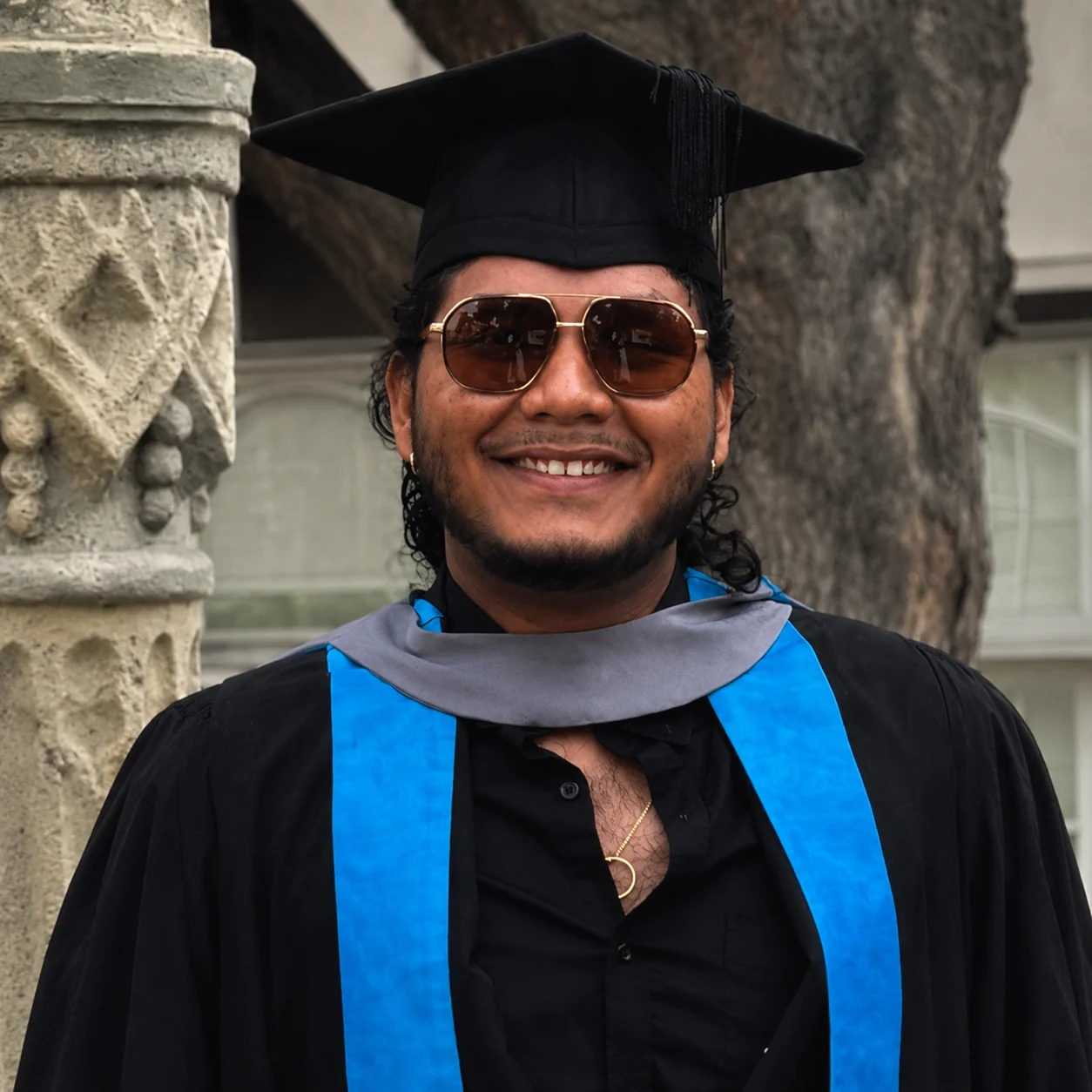
Pranay Anil Kumar
Kingston University
BEng (Hons) Aerospace Engineering
"Joining KCIC for Aeronautical Engineering was the best decision I made. The practical, industry-focused curriculum built my confidence and sharpened my thinking. Transferring to Kingston University felt seamless — I was already ahead. Now, as a Project Coordinator at Rhames, I rely on the problem-solving mindset KCIC instilled in me every single day. Truly a launchpad for life."

Prathyusha Kasani
University of Hertfordshire
BEng (Hons) Aerospace Engineering
"From day one at KCIC, I knew I was somewhere special. The Aeronautical Engineering programme challenged me in all the right ways — building not just technical skill but real-world thinking. That foundation made my move to the University of Hertfordshire effortless. Today as Supply Chain Lead at Vantage Power, KCIC's impact shows up in everything I do"
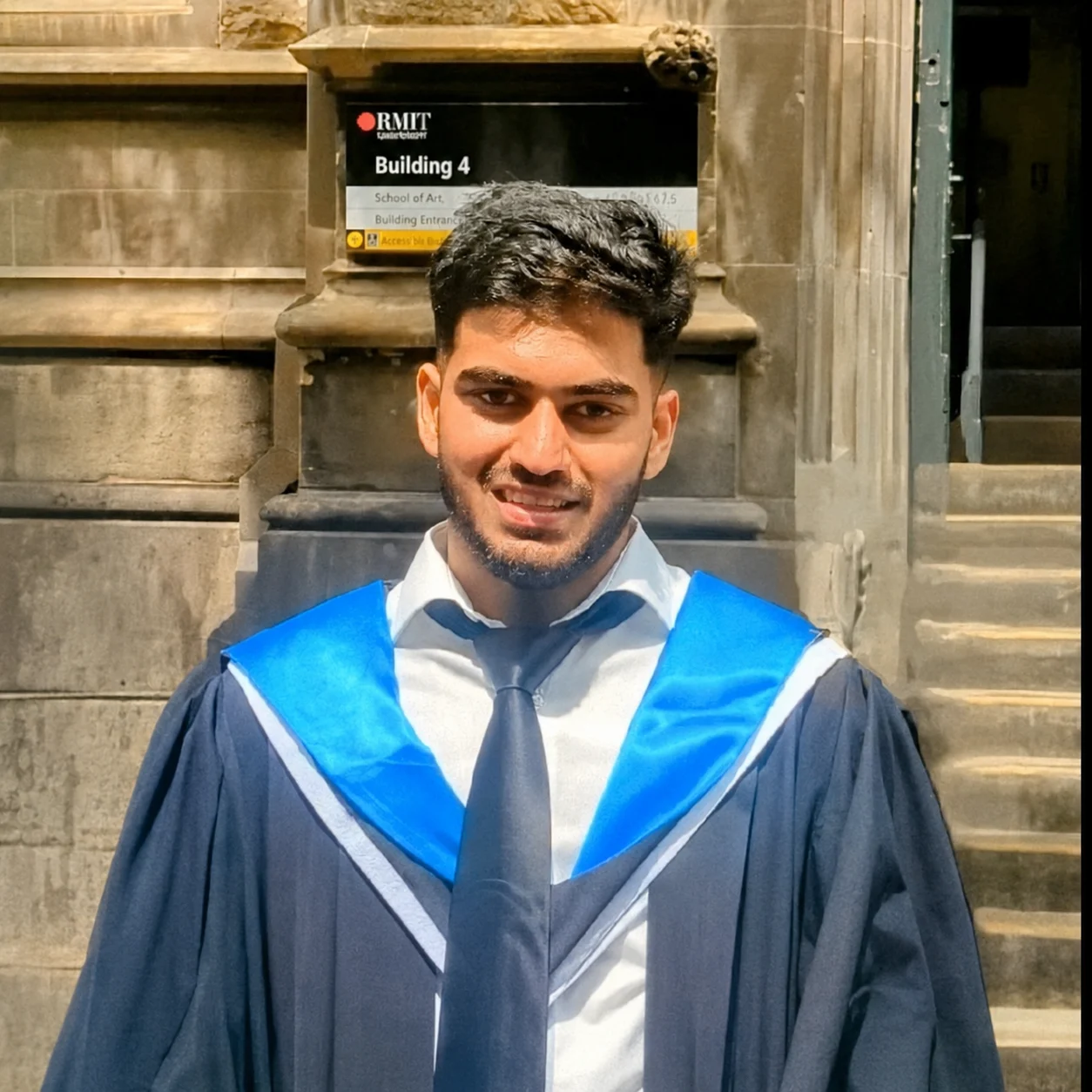
Nitish Kumar
RMIT
BEng (Hons) Aerospace Engineering
"My passion for aerospace was always there — KCIC gave it direction and depth. The Aeronautical Engineering programme sharpened my technical skills and fuelled my drive to push boundaries. Transferring to RMIT felt like the perfect next step, and I was more than ready for it. Now contributing to the RMIT UAS Research Team, I see KCIC's influence in every project I take on."
Ravi Teja Reddy
RMIT University
BEng (Hons) Aerospace Engineering
"KCIC built the runway, and RMIT University gave me the skies to soar. I began my Aerospace Engineering journey at KCIC, where strong academics and close mentorship prepared me for global success. With seamless transfer support, I progressed to RMIT University in Australia and completed my degree with confidence. KCIC was more than a starting point — it was the launchpad to my international future."
Pranay Anil Kumar
Kingston University
BEng (Hons) Aerospace Engineering
"Joining KCIC for Aeronautical Engineering was the best decision I made. The practical, industry-focused curriculum built my confidence and sharpened my thinking. Transferring to Kingston University felt seamless — I was already ahead. Now, as a Project Coordinator at Rhames, I rely on the problem-solving mindset KCIC instilled in me every single day. Truly a launchpad for life."
Prathyusha Kasani
University of Hertfordshire
BEng (Hons) Aerospace Engineering
"From day one at KCIC, I knew I was somewhere special. The Aeronautical Engineering programme challenged me in all the right ways — building not just technical skill but real-world thinking. That foundation made my move to the University of Hertfordshire effortless. Today as Supply Chain Lead at Vantage Power, KCIC's impact shows up in everything I do"
Nitish Kumar
RMIT
BEng (Hons) Aerospace Engineering
"My passion for aerospace was always there — KCIC gave it direction and depth. The Aeronautical Engineering programme sharpened my technical skills and fuelled my drive to push boundaries. Transferring to RMIT felt like the perfect next step, and I was more than ready for it. Now contributing to the RMIT UAS Research Team, I see KCIC's influence in every project I take on."
Frequently Asked Questions
Find answers to common questions about this qualification